High blood pressure: the illness you feel nothing from
It causes no symptoms until it has already done damage. A five-minute check is all it takes to know.
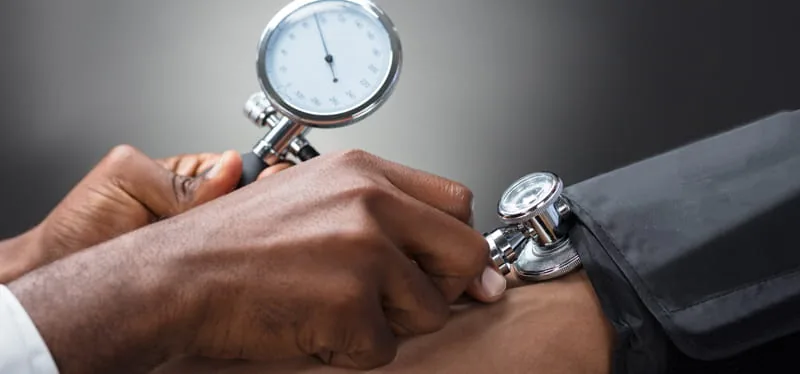
Most illnesses announce themselves. You feel pain, or fever, or weakness, and you come to the clinic. High blood pressure does not work that way. A person can walk around for ten years with a pressure high enough to be quietly damaging their heart, kidneys and eyes, and feel completely well the entire time.
That is what makes it dangerous. By the time it does produce symptoms, the damage that caused them is usually permanent.
How common is it here?
Common enough that it should concern all of us. Studies in Uganda have found that roughly a quarter of adults have raised blood pressure, and that a large share of them do not know it. In towns and cities the numbers tend to be higher than in rural areas — partly diet, partly less physical work, partly stress.
Many people first discover it by accident: they come in for something unrelated, a nurse takes their pressure, and the reading is high.
What raises your risk
Some of it you cannot change — it runs in families, and risk climbs with age. But a lot of it is about how we live.
Salt is the big one, and it is not mainly the salt shaker on the table. It is stock cubes, packet soups, processed meats and the salt already added during cooking. Carrying extra weight around the middle raises pressure. So does drinking heavily, smoking, and long stretches of sitting.
Diabetes and high blood pressure often travel together, and each makes the other worse.
What a reading means
Blood pressure is written as two numbers. Generally, a reading around 120 over 80 is healthy. Consistently at or above 140 over 90 needs attention.
One high reading on one day does not make a diagnosis. Pressure rises when you are anxious, in pain, have just climbed stairs, or have just had coffee. We normally check on more than one occasion before concluding anything.
If yours is high
It is manageable. For many people, changes to diet, weight and activity are enough to bring it down. Others need medication, and if you are prescribed it, the most important thing to understand is this: you take it every day, for the long term, even when you feel completely fine. Feeling fine is not evidence that the pressure has gone. It is what high blood pressure feels like.
Stopping medication because you feel well is the single most common reason we see people arrive with a preventable complication.
Come and get checked
If you have never had your blood pressure taken, or cannot remember the last time, come in. It takes five minutes and no appointment. If the reading is high, one of our clinicians will sit with you and explain what it means and what happens next.
If you are over 35, or someone in your family has high blood pressure or diabetes, make it a yearly habit.
Written by System Administrator